
Digital infrastructure and support enabling the transformation of farmland into secure rhino rangeland at Mpilo Game Reserve
Partners: Mpilo Game Reserve, Wildlife ACT, CCF, Cisco, Actility
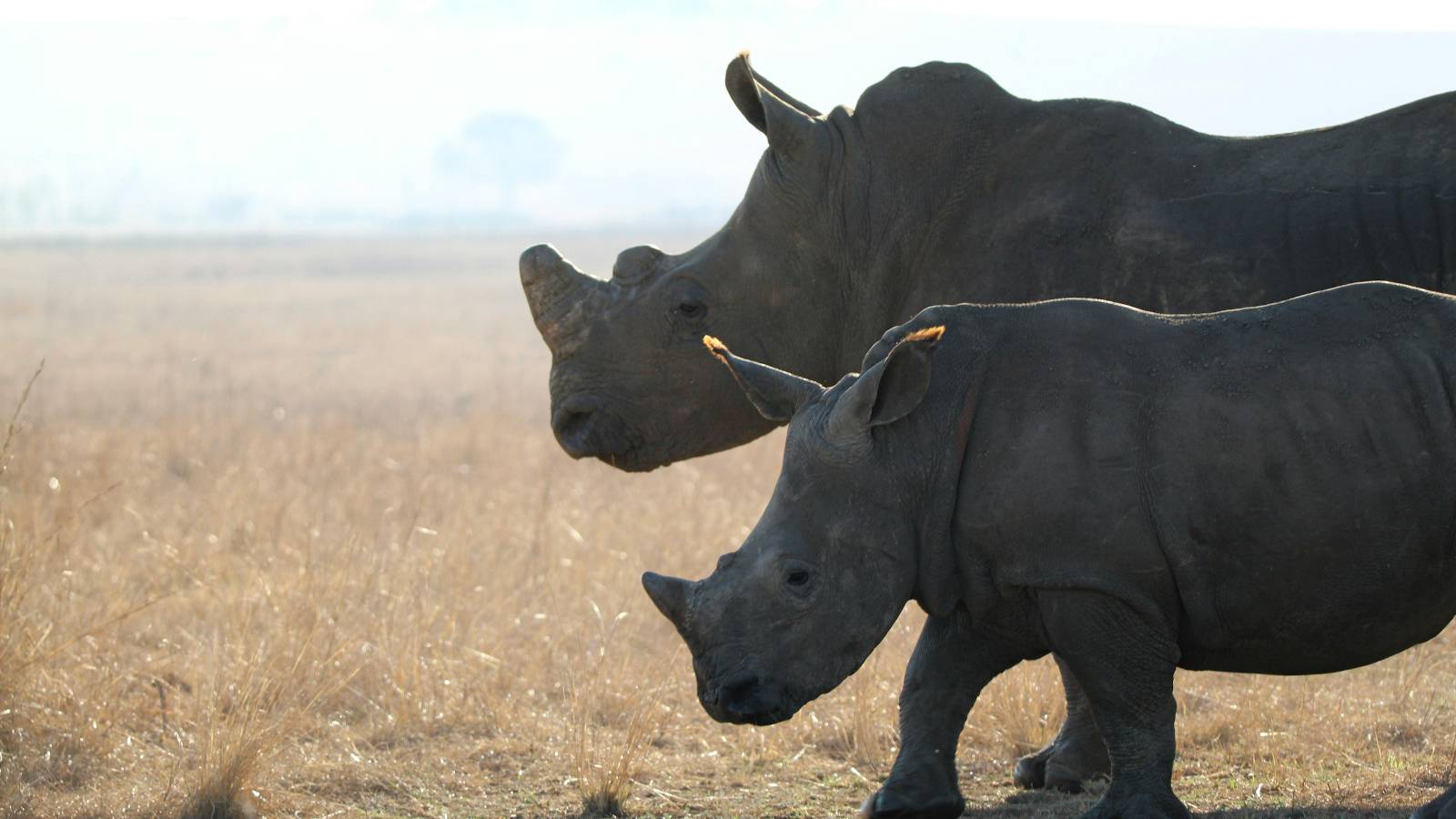
Key Species: Black rhino, white rhino, African wild dog, lion, elephant, spotted hyena
Deployment: 2026
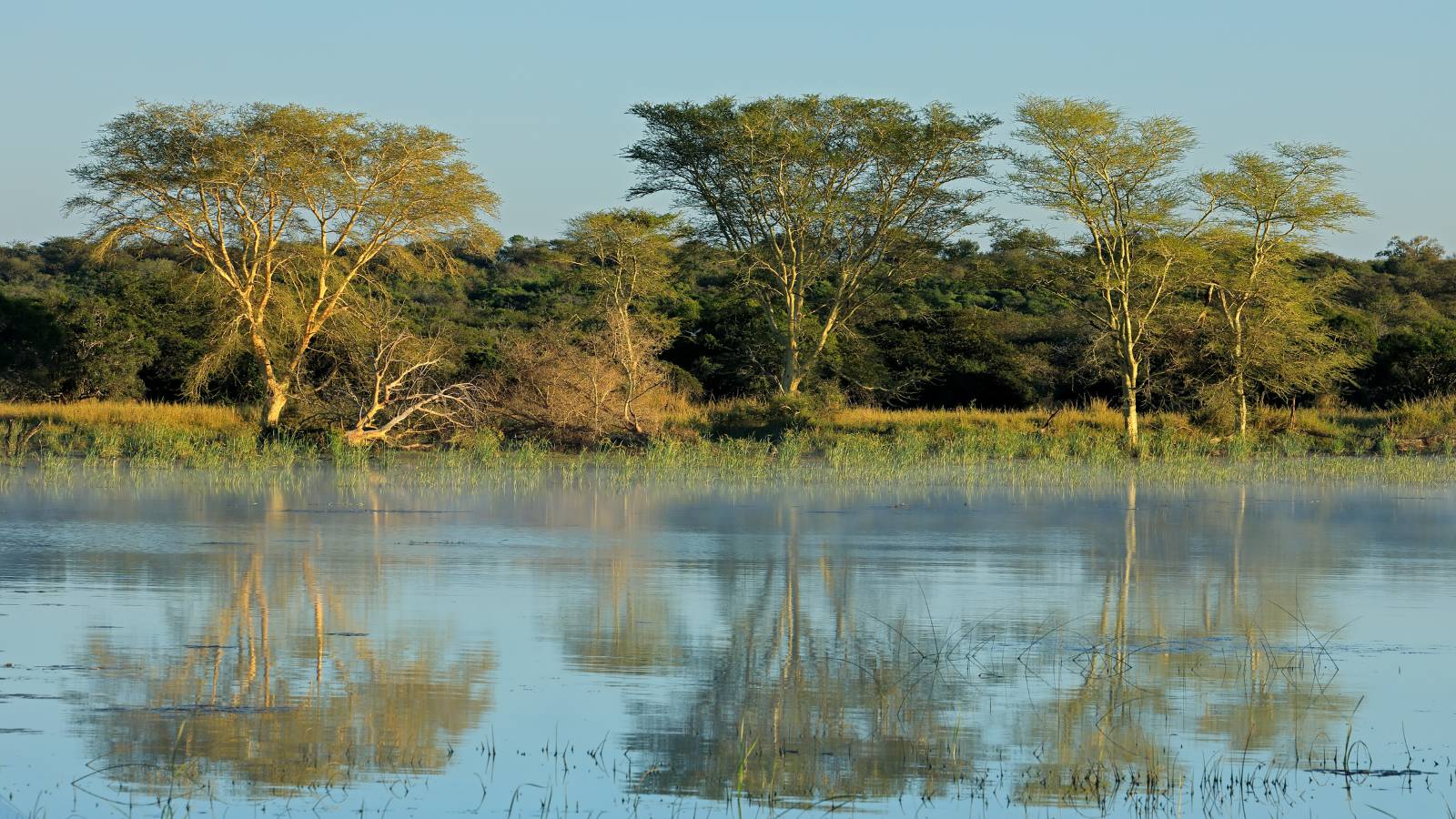
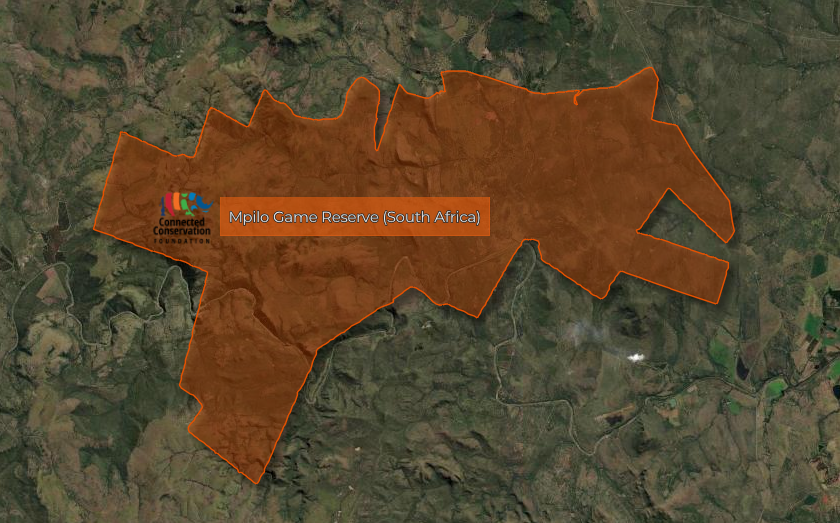
Mpilo™, meaning life in isiZulu, sits at the heart of a bold conservation vision in South Africa’s Mkuze Valley, spanning 14,000 hectares of rolling savanna and bush. Restored from farmland, Mpilo Game Reserve is transforming degraded landscapes on traditional Zulu land into thriving, fully functioning ecosystems at a time when poaching, habitat fragmentation and human–wildlife conflict are on the rise. By embedding an Occupational Intelligence approach within surrounding communities, Mpilo is pioneering a collaborative conservation model that places people at the core of biodiversity protection, ensuring the long-term stewardship of both wildlife and local livelihoods.
CCF, Cisco and Actility have delivered end-to-end LoRaWAN (Long Range Wide Area Network) infrastructure and technical support, enabling Mpilo’s shift to intelligence-led conservation, strengthening security, daily operations and endangered species protection.
Harnessing technology for secure conservation landscapes
As one of the designated sites for WWF’s Black Rhino Range Expansion Project, Mpilo requires advanced, reliable technology to safeguard reintroduced species and ensure long-term ecological resilience. Together, partners have helped Mpilo Game Reserve deploy a reserve-wide LoRaWAN network, forming the backbone of a digitally connected conservation landscape. This network enables real-time data collection for security operations and wildlife monitoring, strengthening resilience across the reserve.
Technical support helps AI-enabled camera traps complement the network, detecting fence breaches, vehicle movement and unauthorised access. These technologies significantly enhance protection for high-value species, including black and white rhinos, while generating insights into their movement patterns and interactions across the landscape.
Using Actility integration, all data feeds into EarthRanger in Mpilo’s operational HQ, giving managers a holistic, real-time view of the entire reserve. Decisions that once took hours now occur within minutes, letting teams coordinate patrols, monitor infrastructure and respond to threats with greater speed and precision.
Strengthening reserve security and ranger safety
The network’s initial focus is on enhancing reserve security for Rhino reintroductions. Real-time fence-line monitoring enables rapid breach detection, while patrol and vehicle tracking improve ranger safety, coordination and operational efficiency. By reducing reliance on foot patrols alone, the system also lowers the risk of dangerous human–elephant encounters while ensuring rangers can respond more effectively to incidents. Live-stream surveillance at key access points and targeted camera deployments provide enhanced situational awareness, protecting both wildlife and personnel.
Pioneering lower-cost solutions
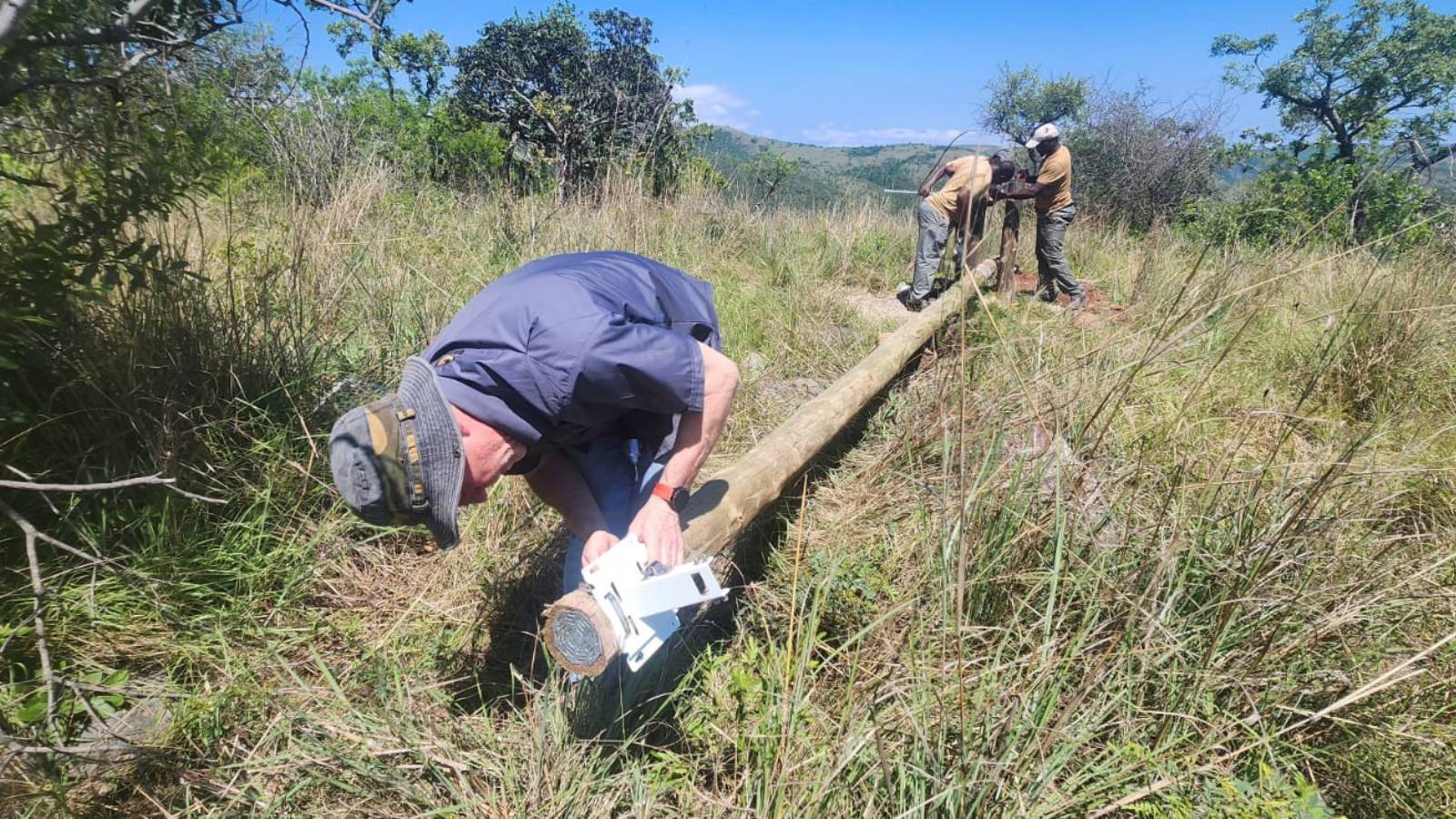
In parallel, the project is developing low-cost, wood-treated mast solutions to host LoRaWAN gateways. These elephant-resistant, rapidly deployable structures are easy to maintain and significantly reduce the cost and complexity typically associated with traditional LoRaWAN infrastructure, eliminating the need for specialised rope-access climbing for routine maintenance. Designed to be unobtrusive, they provide a scalable model for future reserve deployments.
Next steps
Future phases will include deploying LoRa-enabled sensors and trackers to monitor the Critically Endangered black rhino and Endangered African wild dog, alongside asset tracking and environmental sensing to support long-term landscape restoration and resource management.
Building regional technical capacity
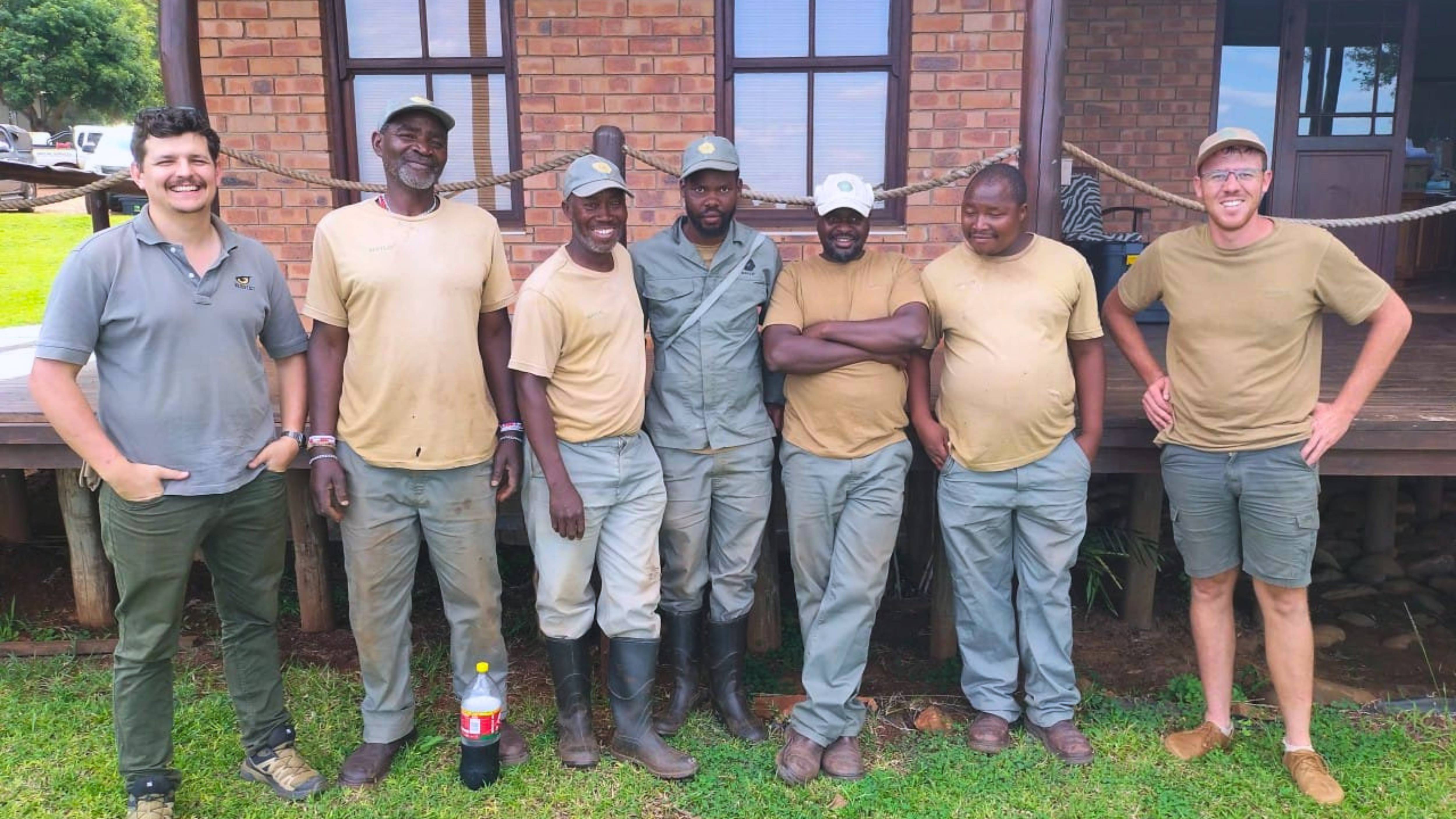
CCF has provided seed funding to Mpilo and Wildlife Act for critical infrastructure, as well as ongoing local technical support for LoRaWAN network, maintenance and day-to-day operations. This is helping ensure Mpilo has the technical expertise and capacity required to maintain its digital infrastructure and maximise its impact for conservation. Building on this foundation, partners are now seeking additional funding for digital infrastucture across a network of connected Protected Areas, to safeguard biodiversity in northern KwaZulu-Natal.