
PAT Practical Training 2026 | Lapalala, South Africa
Intensive practical training for 16 scholars and 5 Peace Parks staff, building essential skills to deploy, manage, maintain and troubleshoot protected area technologies.
For two weeks at South Africa’s Lapalala Wilderness, the first Protected Area Technician (PAT) Scholarship cohort swapped online learning for solar panels, radio repeaters, network dishes, sensors and plenty of hands-on troubleshooting in the field.

The inaugural practical training programme brought together 16 scholarship recipients and five paying staff members from the Peace Parks Foundation for an intensive, hands-on learning experience.
Participants received specialist training and mentorship from CCF's technical team and leading industry partners, including Motorola (communications), Victron and Thanda from Solar (power systems), M.A.P. Scientific Services (ESRI GPS mapping), EarthRanger (situational awareness) and African Wildlife Tracking (wildlife tracking), alongside mentoring expertise from African Parks. Together, they developed the practical skills needed to deploy, manage and maintain conservation technologies in remote protected areas.
Learning by building
Technology is transforming wildlife conservation, but its long-term impact depends on skilled local technicians who can keep these systems operational. At Lapalala, learning was hands-on from day one. Working in teams, participants were each equipped with a technology kit box and tasked with planning, configuring, deploying, testing and maintaining a complete system under real-world field conditions.
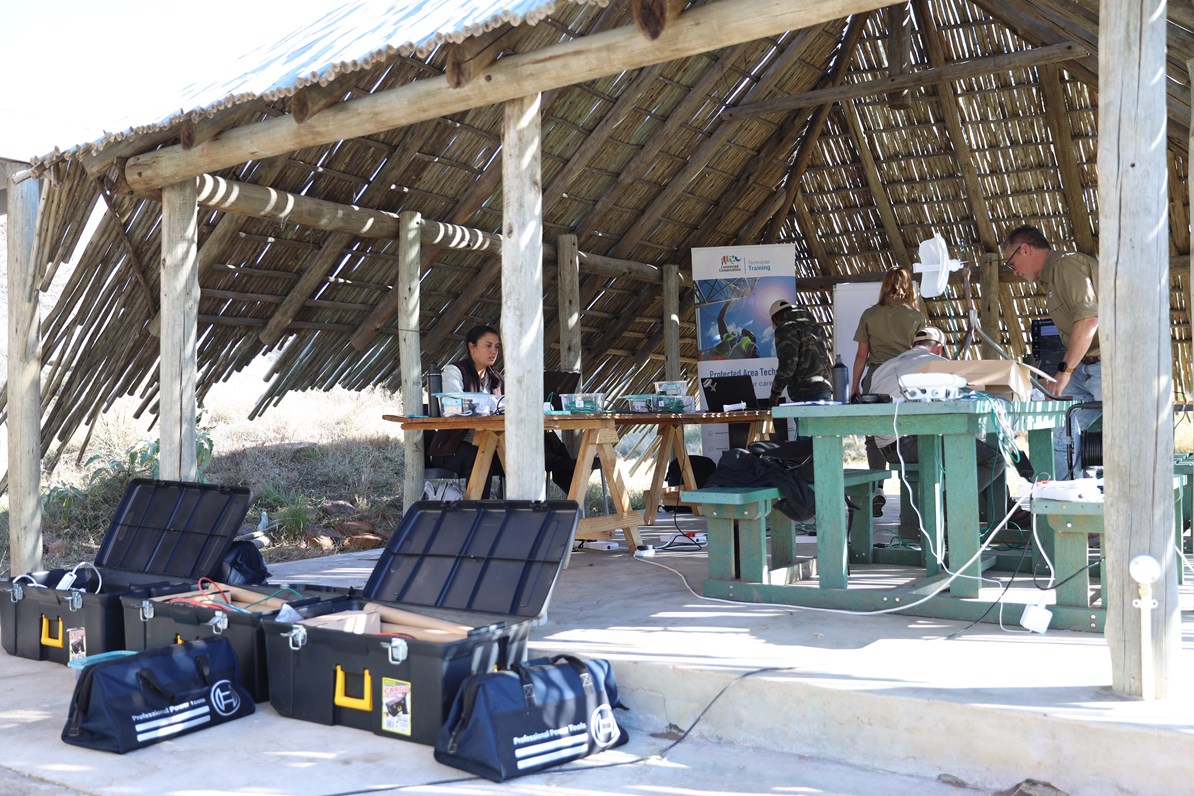
PAT Training Kit contains: Solar panels, power distribution boards, LoRaWAN gateways and trackers, wildlife tracking collars, camera traps, digital radios and repeaters, point-to-point antennas, routers, networking tools, ruggedised smartphones and protected area management software.
From building solar power systems and network towers to assembling and labelling components, configuring dishes and interconnecting their networks, participants gained practical experience of how different conservation technologies function as part of an integrated system. The goal: to build a fully functioning system and understand how power, connectivity and connected devices work together to support conservation operations.
Led by industry experts in real-world conditions
Working directly with industry specialists allowed participants to explore technologies, build confidence through practical experimentation and ask questions of the people developing and deploying them. This two-way exchange also allowed technology providers to gather valuable feedback from those who will be using and maintaining their systems in the field.
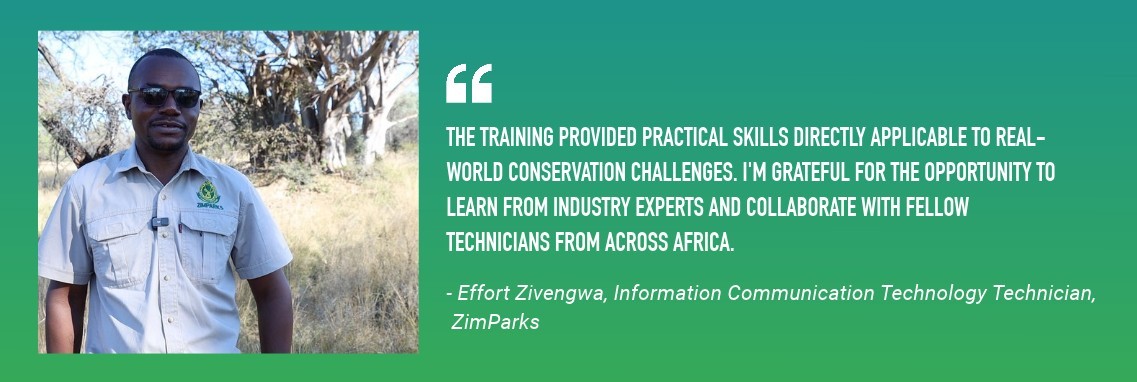
Field visits to Lapalala's headquarters, operations room and ranger posts helped participants connect their practical training with the integrated systems conservation teams rely on every day.
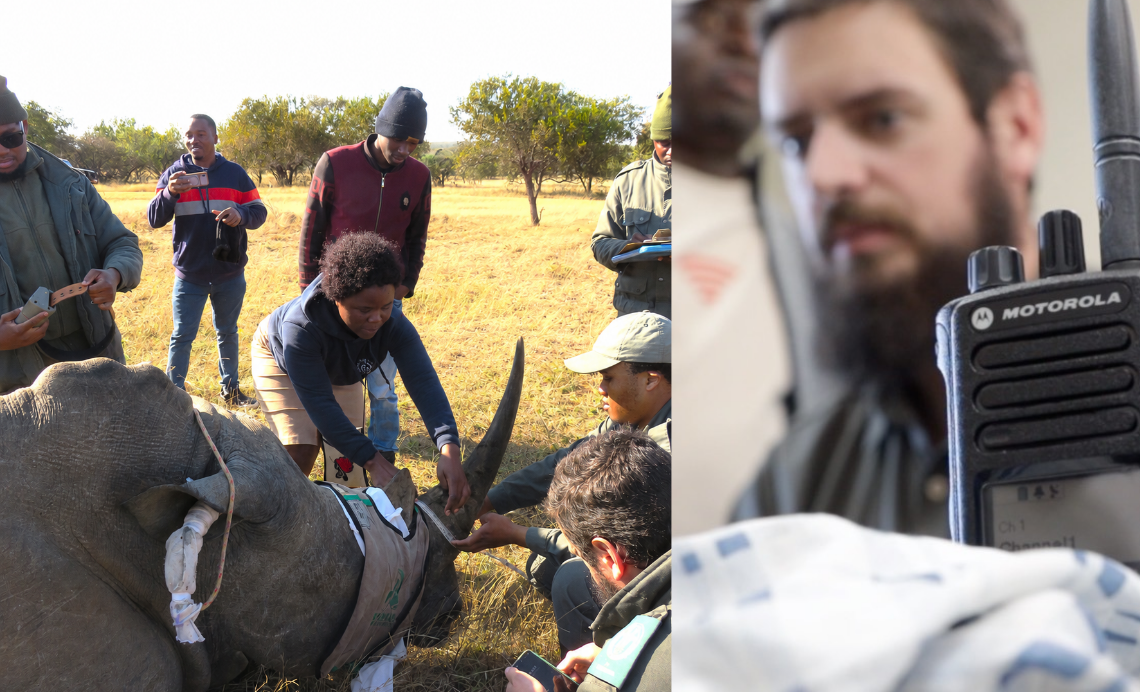
The course also covered operational communications, with Motorola providing hands-on experience in configuring VHF radios and repeaters. Participants explored how reliable communication networks are established and maintained across large, remote protected areas. Participants also gained first-hand experience of rhino collaring operations, observing how wildlife-tracking devices are deployed and how the data they generate feeds into wider conservation monitoring systems.
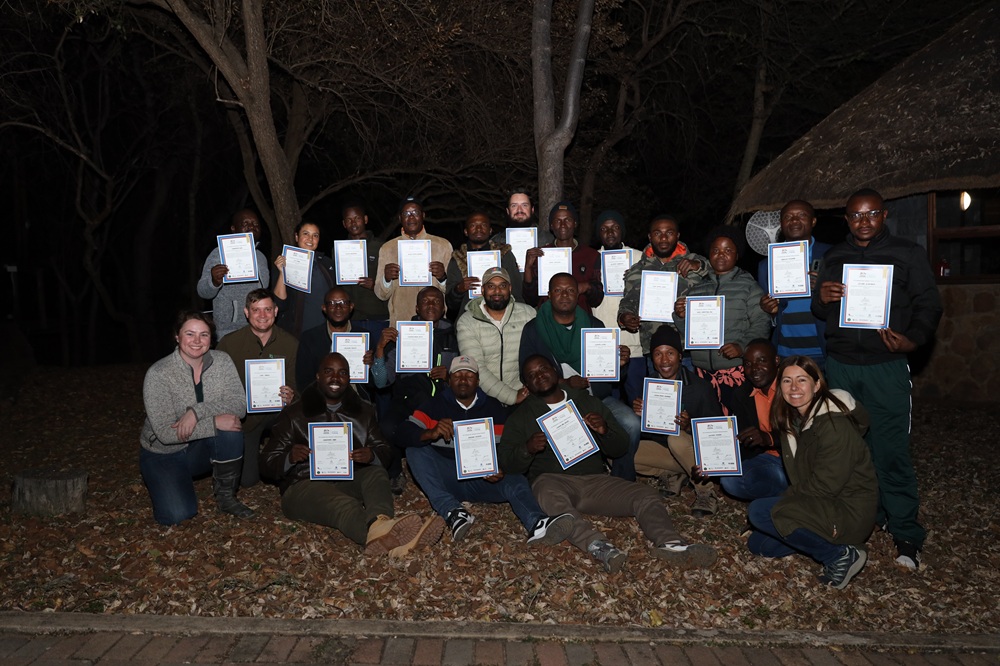
Certification ceremony
The programme concluded with a certification ceremony, recognising the achievements of participants who completed the advanced PAT training.
By combining online learning with intensive field experience and direct access to industry expertise, the PAT Programme is helping build a new generation of locally skilled conservation technicians, equipped to install, manage, maintain and troubleshoot the connected technologies that support nature protection.